
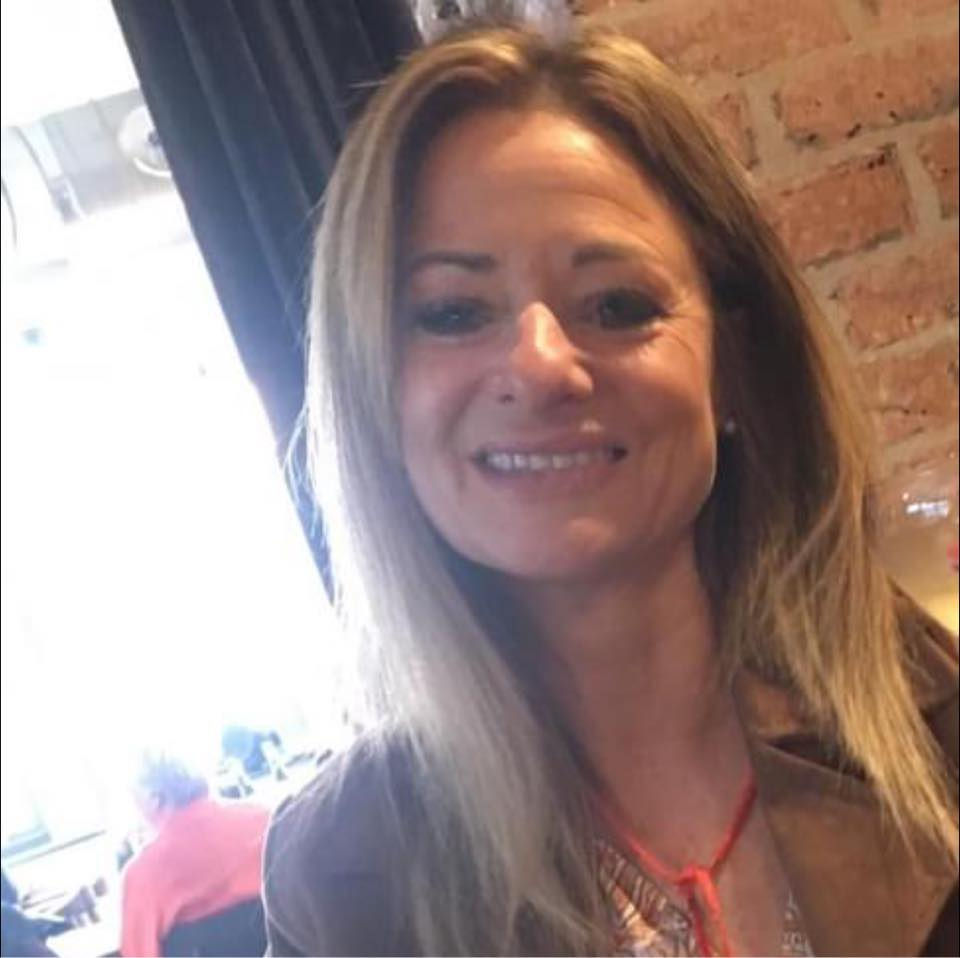
My Experience -
*Primary Teacher
*Assistant Headteacher
*Special Needs Co-ordinator
*Early Reading Consultant
*MA in SEND
*Qualified SpLD Assessor-Level 7 BDA
*Over 30 years experience in education
*Specialist Dyslexia assessments for
ages 8-18

An Empowering Approach to Learning
I am Beth Taylor, a specialist dyslexia assessor and SEND consultant dedicated to helping children and young people unlock their full academic potential.
I'm a Level 7 qualified dyslexia assessor with an Assessment Practising Certificate (APC) and an Associate Member of the British Dyslexia Association.
I do this through
-
Diagnostic assessments
-
Clear answers about your child's needs
-
Practical next steps for home and school
Every assessment is tailored to your child-so you get clarity, not confusion.
My work is defined by a methodical yet deeply supportive approach, providing clear, actionable diagnoses that pave the way for practical next steps at home and in school. With a background rooted in educational expertise, I focus on building confidence through tailored strategies that recognise each learner's unique strengths, ensuring they receive the understanding and support they deserve.
Professional Dyslexia & SEND Services
Dyslexia Assessments
Formal diagnostic assessments for children, providing a comprehensive profile of strengths and challenges alongside a clear path for support.
SEND Consultancy
Navigating the complex SEND system can be difficult. I offer assessments and dyslexia specialist tuition and SEN consultancy for schools.
Specialist Dyslexia Teaching
As well as working in schools, I offer private 1-1 specialist dyslexia tuition at my home in Merseyside.
CLEAR DIAGNOSIS & SUPPORTIVE STEPS | CLEAR DIAGNOSIS & SUPPORTIVE STEPS | CLEAR DIAGNOSIS & SUPPORTIVE STEPS | CLEAR DIAGNOSIS & SUPPORTIVE STEPS
The Assessment Journey
Step 1 — Initial Enquiry
The process usually begins with an initial enquiry from a parent, carer, or school. You are welcome to contact me to discuss your concerns and whether a dyslexia assessment may be helpful.
At this stage I can answer any questions you may have about the assessment process and what it involves.
Step 2 — Background Information
Before the assessment takes place, parents and schools are asked to complete background information forms. These provide important information about the child’s development, educational history and current areas of difficulty.
Gathering this information helps ensure that the assessment considers the wider picture of the child’s learning.
It is crucial that school is involved. A SASC-standard assessment must be comprehensive and evidence-based, not just test scores.
That means the assessor will normally request from schools:
Attainment data (reading, spelling, writing levels)
School reports and teacher observations
History of support/interventions

Step 2 — For Schools
Working with schools not in isolation
I strongly believe that reports must not sit in isolation but connect to the whole school system. The context/background information is therefore crucial and any recommendations must look at context and what reasonable adjustments can be made for the child. The assessment must sit clearly within the graduated response.
This aligns with the Government’s SEND white paper: ‘Every Child Achieving and Thriving’ which emphasises moving from narrow identification to broader inclusion and clearer, staged models of support.
Step 3 — The Assessment Session
The assessment usually takes around 3.5 hours and is carefully paced with breaks. During the assessment your child will complete a range of activities exploring:
-
language skills
-
reading
-
spelling
-
writing
-
phonological processing
-
memory
-
processing speed
-
reasoning skills
-
orthographic skills
The assessment is designed to feel calm and supportive so children feel relaxed and able to show their true abilities.
Step 4 — The analysis and diagnostic report
Following the assessment, the results are carefully analysed to build a detailed picture of the child’s learning profile.
You will receive a comprehensive written report explaining the results in clear language. The report includes practical recommendations for supporting your child at home and in school.
Step 5 — Next Steps
The report will explain whether your child meets the criteria for dyslexia and will highlight both strengths and areas where additional support may be helpful. Many parents find that the assessment provides clarity about their child’s learning and helps schools put appropriate support in place.
Step 6 — Follow up support
I offer a feedback session to discuss the report if requested.
After an assessment, some families choose to arrange a short block of follow-up sessions to help put the report recommendations into practice. I offer a limited number of specialist literacy support sessions for children with dyslexia or dyslexia-type difficulties. These sessions focus on developing key skills such as phonological awareness, reading accuracy, spelling strategies and confidence with literacy tasks.
Support is tailored to the child’s assessment profile and aims to help them apply strategies that support their learning in school.
Start Your Assessment Journey
Whether you're seeking a formal dyslexia diagnosis for your child or need expert SEND consultancy advice, I'm here to provide professional and supportive guidance. Based in Merseyside, I offer tailored assessments designed to build confidence and map out the next steps for school and home.